It is the end of the month and sales are up twelve per cent. That is a good month, and you are pleased with it, right up until the next question arrives. Did more people come in, or did the same people spend more? You do not know. Neither does your POS.
Your business keeps two separate records that were never designed to meet. One is your sales report: what sold, when, at what price, in what quantity. The other is your customer list: names, mobile numbers, a loyalty spreadsheet, a folder of receipts with details written on them. Neither record contains the other. So you know exactly what happened in your business last month and almost nothing about who it happened to.
The cost of that gap is not theoretical. You cannot calculate a retention rate. You cannot see a regular slipping away until they have already gone. You cannot tell whether last month's promotion brought back lapsed customers or handed a discount to people who were walking through the door anyway. So you market to everyone, because you cannot identify anyone, and you pay for reach you did not need.
Below are five questions your business should be able to answer every month, why yours cannot, and what closes each gap.
Every Business Has Two Kinds of Revenue. Most Merchants Only Have One.
There is revenue you can trace to a person and revenue you cannot. A transaction that leaves nothing behind pays you once and then disappears. A transaction attached to a customer record pays you once and then tells you how to earn the next one, and the one after that.
The difference has nothing to do with the size of the sale. It is decided in the two seconds it takes to complete a payment, by whether that payment created an identity or not. Most merchants in Singapore run almost entirely on anonymous revenue and have come to treat that as normal. It is not normal. It is a choice made by the tools they bought.
What Three Months of One Customer Looks Like on One Platform
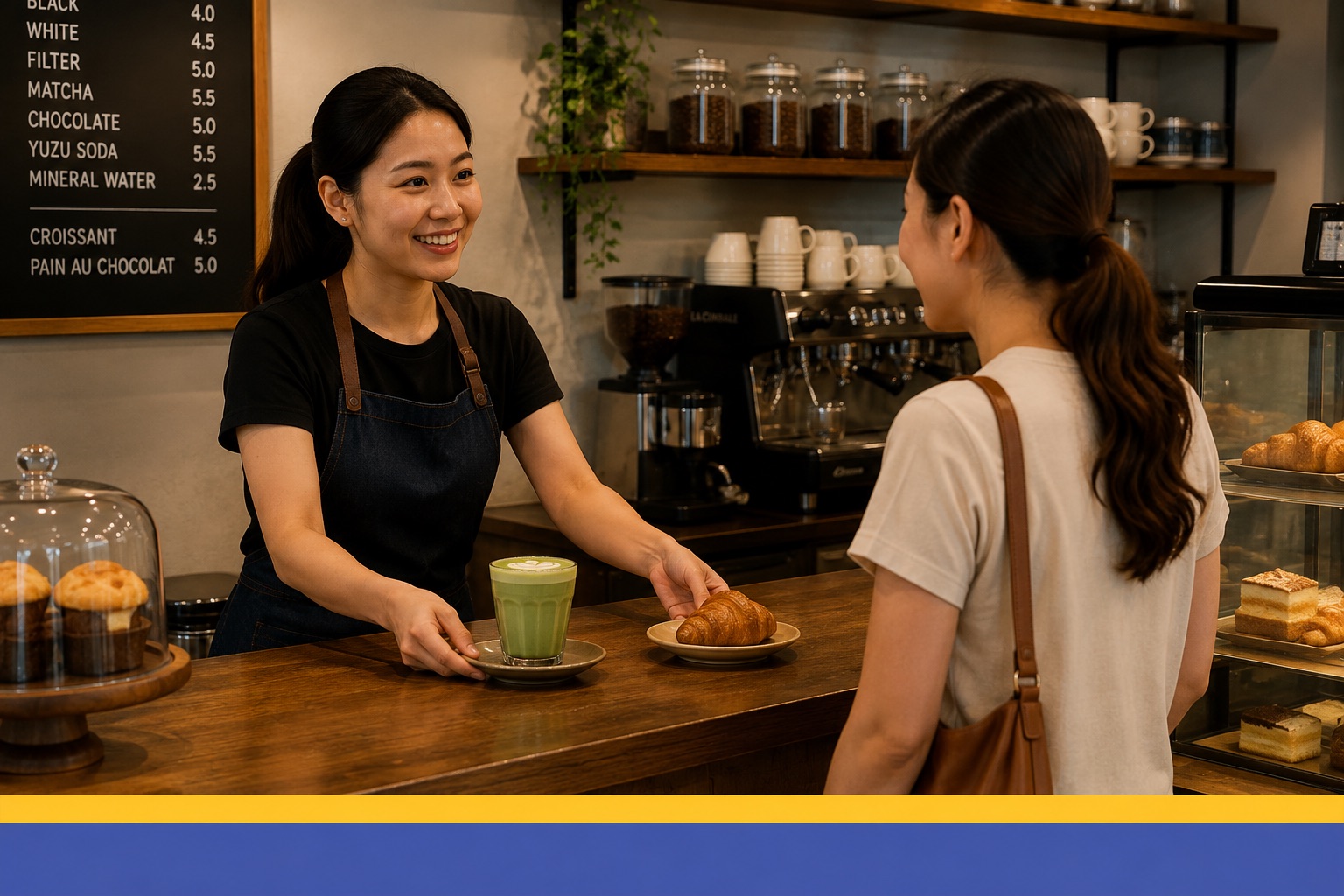
A woman buys from you on a Tuesday in March. She taps her card. QashierPay takes the payment and Qashier Treats enrols her, because loyalty is linked to the payment itself. She was not asked for anything and she does not know it happened. She is now a record.
In April she comes back twice. Both visits attach to the same profile: what she bought, what she spent, how many days apart. By the end of the month you can see, without looking anything up, that she is on her way to becoming a regular.
In late May she goes quiet. Twenty-six days after her last visit, Qashier Automated Marketing sends her a message about the points sitting unredeemed in her balance. She comes in that weekend and spends more than she did in March.
At the end of the quarter you open QashierHQ and see how many of your customers came back, what the returning ones bought, and which product shows up most often in the first purchase of someone who became a regular. You put more of it at the front of the shop. None of that required a single manual action from you.
How Many of Last Month's Customers Had Been in Before
This is the single most useful number in a retail or F&B business and most owners cannot produce it. Without it you cannot tell whether growth is coming from new customers or from your existing ones spending more, and those two situations call for completely different decisions.
The cause is that your sales report counts transactions rather than people. Two hundred sales might be two hundred customers or forty customers who came in five times. Your loyalty list has people on it, but it has no purchase history, so it cannot tell you which of them were among last month's two hundred.
Qashier Treats attaches an identity to the payment, so every transaction carries a customer with it. QashierHQ then shows you how many customers you served, how many were returning, and how that split is moving month on month. It is the difference between knowing your revenue and understanding it.
Which Products Turn First-Time Buyers Into Regulars
Your bestseller by volume is not necessarily your most valuable product. Some items sell constantly to people who never come back. Others sell in smaller numbers but almost every buyer returns within a month. Those two products deserve very different treatment, and most merchants promote the wrong one.
The cause is that your product report and your customer report are built from different data. One tells you what left the shelf. The other, if you have one at all, tells you who exists. Nothing joins them, so the question of which products create loyalty simply has no place to be answered.
When the sale, the payment and the customer are one record, that join is automatic. You can see which items appear in the first purchase of customers who went on to return, and which items appear in the first and only purchase of customers who did not. That changes what you feature, what you sample and what you stop reordering.
Which Regulars Are About to Stop Coming
Customers rarely announce that they are leaving. They just come in less often, then not at all, and you notice six months later when you happen to think of them. By that point they have found somewhere else and the habit is gone.
The cause is that nothing in your current setup records a last visit date against a person. A stamp card sits in a customer's wallet where you cannot see it. A spreadsheet knows a name but not a date. Your POS knows the date but not the name.
Qashier Treats holds both, so Qashier Automated Marketing can act on the gap. You set the window that counts as lapsing for your kind of business, and a message goes out to that customer alone, referencing their points and their history. It arrives while returning is still easy for them, which is the only moment when a win-back message is worth sending.
What a Regular Customer Is Actually Worth to You
Most discounting is done blind. The same offer goes to a customer who spends four hundred dollars a year and a customer who came in once in March, because you have no way of telling them apart at the moment you send it. One of them did not need the discount. The other deserved more than they got.
The cause is missing spend history at the individual level. Without it, every customer is the same customer, so every offer has to be the same offer.
With a profile that carries frequency, spend and purchase history, you can treat your best customers like your best customers. Higher-value customers receive perks that recognise what they already spend with you. Everyone else gets an offer sized for the behaviour you are actually trying to change. You spend less on discounts and more of what you spend does something.
Whether Your Last Promotion Actually Worked
Sales went up during the promotion. That is the only thing most merchants can say about it. It does not tell you whether the promotion created demand or simply discounted demand that was already coming, and those two outcomes have opposite implications for whether you run it again.
The cause is that a promotion sent to an unidentified audience produces an unidentifiable result. If you cannot say who received it, you cannot say who acted on it.
Send a campaign from Qashier Automated Marketing to a defined group of customers and the result lands against those same profiles. You can see which lapsed customers came back, what they spent when they did, and whether they returned again afterwards without being prompted. That last part is the number that matters, because a promotion that buys one visit is a cost and a promotion that restarts a habit is an investment.
Everything Connects, Which Is the Whole Point
None of the five answers above come from a clever report. They come from the sale, the payment and the customer being one record instead of three.
The payment enrols the loyalty member. The loyalty member becomes a profile with a purchase history. The profile makes the marketing specific, and the marketing brings the customer back. The return visit adds to the profile, which makes the next message better than the last one. Meanwhile every one of those transactions is still updating your stock and your sales reports, because it is all the same event.
The cost argument lands in the same place. Separate tools mean separate subscriptions, separate renewal dates and separate price rises you did not plan for. Qashier is S$5 a day with every feature included: point-of-sale, payments, ordering, bookings, loyalty, marketing and reporting. No feature tiers. No add-on you discover at renewal.
One login. One view. One platform.
Getting Started
QashierPOS, QashierPay, Qashier Treats, Automated Marketing, Treats Explorer and Spotlight are all available to Singapore merchants now, on one login and one bill, at S$5 a day with every feature included. Your customer database starts building from your first transaction, without anyone being asked to sign up.
Book a free demo and find out how many of your customers are actually coming back.
Frequently Asked Questions
Why do my sales data and my customer data not match?
Sales data and customer data usually sit in different systems that were bought separately, so one records transactions and the other records people, with nothing linking them. Your POS knows what sold and when but not who bought it, while your loyalty list or spreadsheet knows who your customers are but not what they purchased. The two only match when the sale and the customer are recorded as a single event on one platform.
How do I find out how many of my customers are repeat customers?
You need every transaction to carry a customer identity, which means enrolling customers at the point of sale rather than keeping a separate list. Qashier Treats does this through the payment itself, and QashierHQ then shows how many customers you served in a period and how many of them had visited before. Without that link, a sales report can only count transactions, not people.
What is payment-linked loyalty and how does it work?
Payment-linked loyalty uses the card a customer pays with as their loyalty identity, so they are enrolled during a transaction that was going to happen anyway. There is no app to download, no form at the counter and no card to carry. Because enrolment carries no friction, it reaches far more customers than app-based or stamp-card programmes.
What payment methods does QashierPay accept in Singapore?
QashierPay accepts Visa, Mastercard and AMEX, plus PayNow, GrabPay, ShopeePay, Atome and Alipay+ along with other international e-wallets. Settlement is T+1, so your takings arrive the next business day. Qashier holds a Major Payment Institution licence from the Monetary Authority of Singapore.
Do I or my customers need to download an app?
No. Qashier runs in a web browser, and your customers do not need to install anything to join Qashier Treats. Loyalty enrolment happens through the payment itself at checkout.
Can I see which customers have stopped visiting my business?
Yes. Because each Treats profile carries a last visit date and a purchase history, you can identify customers who have not returned within a period you define. Qashier Automated Marketing can then send those specific customers a win-back message, rather than sending the same offer to your entire list.
How much does an all-in-one business platform cost in Singapore?
Qashier costs S$5 a day in Singapore with every feature included. That covers point-of-sale, payment acceptance, ordering, bookings, loyalty, automated marketing and reporting on one plan. There are no feature tiers to upgrade into and no separate add-on charges.
What happens to my existing customer list when I switch systems?
Existing customer records can be brought across during onboarding, so you keep the list you have already built. From the first transaction onwards, new customers are added automatically through the payment rather than by hand.
Qashier is the all-in-one platform for merchants in Singapore and Southeast Asia: POS, payments, ordering, bookings, loyalty, marketing and more, all included at $5/day. Tell us what you run, and we'll build the rest.