
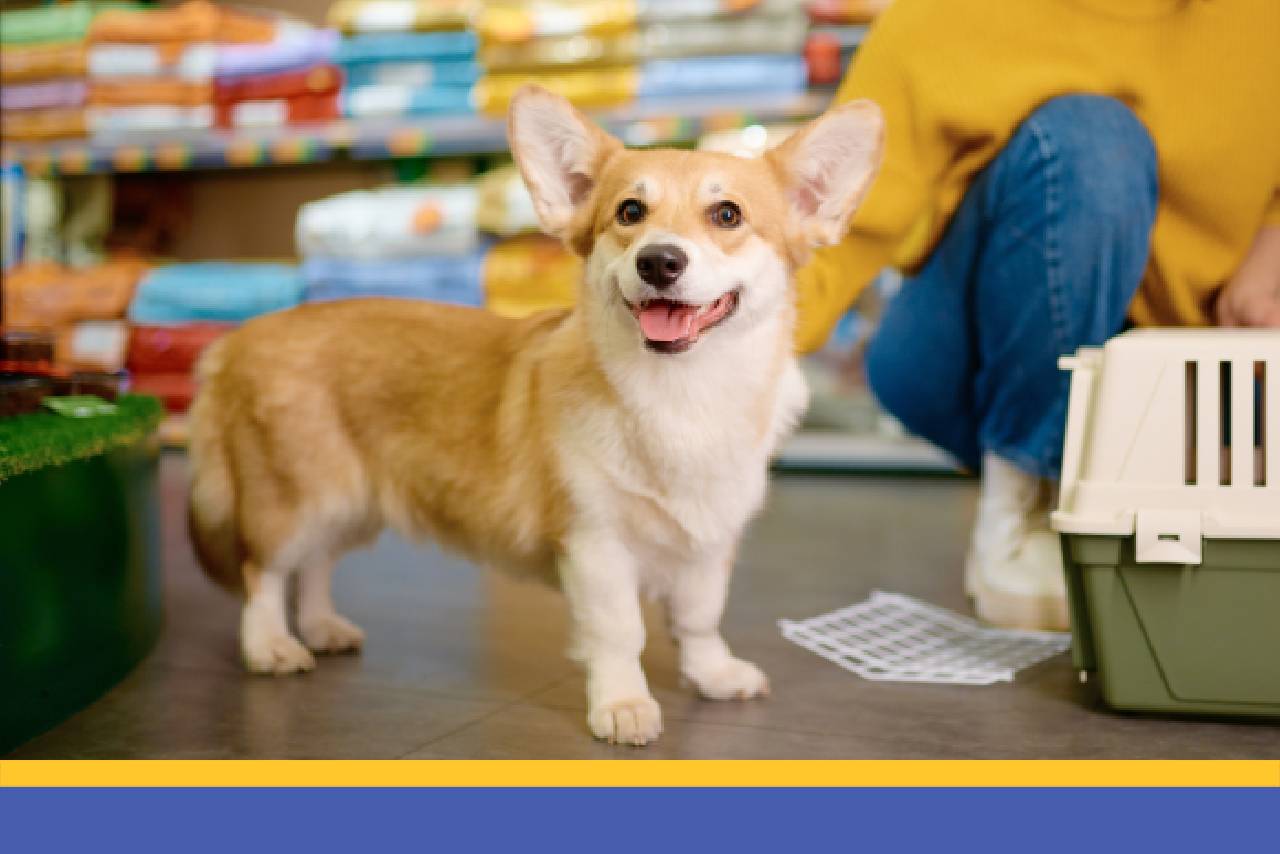
Picture a pet food shop with nearly twenty brands of cat food. Each brand comes in several recipes and four or five bag sizes. Add cat litter, treats, toys, collars and dewormers, and the shelves are full. The owner has to remember what's running low, what sells well and what's sitting so long it's close to expiry. Across the street, a vet clinic has a similar headache. Customers buy vaccination or grooming packages in advance, but two or three months later nobody remembers how many sessions they've used. Front-desk staff end up digging through notebooks or separate files. This isn't an exaggeration. It's what people in the pet business deal with almost every day.
The good news: Thailand's pet market, often called the pet economy, is one of the fastest-growing sectors. Thai owners today see their pets as members of the family, not just animals that guard the house as in the past. Pet lovers will pay for good-quality food, premium products and complete healthcare. That's a big opportunity for anyone who wants to open a pet supply shop or vet clinic. But it comes with challenges that ordinary retailers rarely face. This article looks at the market, the challenges, and a checklist of what a shop management system for this business should have.
Why Thailand's pet economy is worth watching
Several factors keep the Thai pet market growing. The first is changing family life. Younger people are marrying later or choosing to live alone, so pets become real companions and family members, not decorations. The second is spending power. Pet lovers are paying more for quality food and products, from premium food and supplements to preventive healthcare, rather than waiting until their pet is ill to see a vet, as people used to.
The third factor is better access to information. Today's pet owners research before they buy. They compare food brands, read clinic reviews and pick shops they trust on social media. So shops and clinics that build trust and look after customers consistently can grow faster than competitors who just sell once and move on. With these trends, pet shops and vet clinics in Thailand are no longer a small niche. There's room for new players to compete, as long as they build a strong system from the start.
Challenge 1: Stock that's far more complex than a regular shop
Compared with a convenience store or general shop, a pet supply shop has much more complex stock, because the same type of product splits in several ways at once. One cat food brand might have kitten, adult and weight-control recipes, in fish, chicken and tuna flavours, each in three or four pack sizes. So what looks like one product to the customer can become dozens of SKUs (stock keeping units) in your system.
If you still record stock by hand, or use a basic system that doesn't break brands down far enough, you'll keep hitting two problems. First, you run out without realising, especially of special recipes that regulars buy every month. When stock runs out suddenly, they go to another shop. Second, you over-order, so products move slowly and your money gets stuck in stock that won't sell. Worse, products expire before they're sold, which eats straight into your profit.
The fix is a system that shows stock in real time right down to SKU level: which recipe, size and flavour you have left, and how fast each one sells. Then you can reorder accurately instead of by gut feeling.
Challenge 2: Customers buy on a cycle, but shops rarely bring them back
What's interesting about pet food is that buying behaviour is quite predictable. A pet eats about the same amount each month, so owners naturally come back on a regular cycle, especially for special recipes that are hard to replace. That's different from general products, where customers switch between shops.
Yet many pet supply shops don't make the most of this. They don't record which customers buy what and how often, so they miss the chance to send a promotion or perk just as a customer's supply is running low. With a membership or points programme linked to real purchases, a shop can make customers feel it's worth coming back to the same shop, instead of switching to another shop or an online channel with tempting discounts. After all, keeping an existing customer always costs less than winning a new one.
Challenge 3: Vet clinics and tracking prepaid packages
Vet clinics have their own challenge. Many like to sell service packages in advance, such as a multi-dose vaccination package for the year, a neutering package, or a monthly grooming membership. Selling packages in advance brings cash in early and ties pet owners to your clinic, so they keep coming back instead of going elsewhere.
The problem is tracking how many sessions a customer has used and how many are left. If the clinic still writes this in a notebook or keeps it in files separate from the counter sales system, mistakes happen easily. Staff forget to deduct a used session, or the customer and staff remember different numbers, which leads to frustration. What a clinic should look for is a system that sells packages and deducts sessions in the same place as the counter POS, so staff and customers both see the same balance.
Advance appointment booking for vaccinations or procedures is another feature clinics should consider separately. Not every shop management system has it built in, so ask each provider clearly before you choose.
Checklist: what to look for in a system for a pet shop or vet clinic
Before choosing a POS or shop management system, go through this list to make sure it really fits a pet business.
- Stock management down to SKU level, clearly split by brand, recipe, size and flavour
- Alerts when products reach the reorder point, so special recipes never run out
- Membership or points linked to purchase history, to bring back customers who buy pet food on a cycle
- Prepaid cards or service packages, with real-time tracking of sessions used and left
- Several payment methods, so customers can pay easily for both products and services
- Support for more outlets, if you plan to open another shop or clinic
- Ask the provider directly about appointment booking, if your business especially needs it
Where Qashier fits a pet business
As you can see, pet supply shops and vet clinics need a back end that handles complex stock and relationships with regulars at the same time. Qashier covers several of these needs.
For stock, Qashier has real-time inventory management that handles products with many brands, sizes and flavours. You see how much of each item is left, and you can set reorder points in advance to reduce the risk of special recipes running out. To keep regulars who buy pet food every month, Qashier Treats is a points and loyalty programme linked directly to payment. Customers don't need to download another app, which suits pet owners' repeat buying very well.
For vet clinics that sell vaccination or grooming packages in advance, Qashier supports prepaid cards and packages, so you can track sessions used and left properly and avoid confusion at the counter. Qashier also accepts several payment methods, including PromptPay QR, cards and payment links, and supports multiple outlets, which suits businesses planning to open more shops or clinics.
If your clinic needs appointment booking, contact the Qashier team to ask about Qashier Bookings and whether it fits the way your clinic works.
FAQ
Does opening a pet supply shop need a big investment in stock? It depends on how many brands and products you stock. A new shop can start with a few key brands, then expand based on what customers actually ask for. Good stock tracking shows you which products sell well enough to be worth more investment.
Why does a pet food shop need to track stock down to SKU level? Because one brand usually comes in several recipes, sizes and flavours. If you count stock together without breaking it down, you won't know which recipe or size is running low, and you'll run out without noticing, especially of special recipes regulars need every month.
Does a small vet clinic need a system for selling packages in advance? Not from day one. But it's a strategy that brings in cash and ties customers to your clinic. If you do it, have a clear way to track sessions, so there's no confusion with customers later.
Does a points programme really help a pet business? Very much, because people already buy pet food on a regular cycle. Points or member perks remind customers to come back to your shop instead of switching to another shop or an online channel with tempting promotions.
Does Qashier have appointment booking for vet clinics? Qashier has Qashier Bookings for appointment-based businesses. Contact the Qashier team to check whether it fits your clinic.
Run your shop better with Qashier, starting today
If you'd like Qashier to help run your business, get in touch. We can help with POS terminals for restaurants and shops, a capable POS system, and support from our team 7 days a week.
Find out more on LINE Official @qashier.th or call 02 544 0267.