
Starting a business is a journey full of challenges, and one of the obstacles new owners most often run into is managing the money — keeping an income and expense account that is systematic and works. Done properly, it not only tells the owner where the business stands financially, it also gives a clear picture of what is coming in and what is going out.
This article walks through techniques for keeping a shop’s income and expense account in a way that is easy to follow and that any new owner can put into practice. It should help you plan your shop’s finances more methodically than you ever have before.
What exactly is an income and expense account?
An income and expense account is a record of money — both the money “received” and the money “paid out” — by a person, a business or an organisation. It lets the owner understand where the business stands financially, analyse its strengths and weaknesses, plan strategy and control costs effectively, as well as file tax as the law requires.
- Income is the money or revenue coming in from the shop’s operations, such as selling goods or services, before any other costs are deducted.
- Expenditure is the money paid out to run the shop — food, water, electricity, fuel, rent, money set aside for savings and investment, and donations.
The benefits of keeping a shop’s income and expense account
1. Controlling the money and planning the business gets easier
Keeping an income and expense account for a retail business shows you how revenue and the various costs line up against each other, and gives you the overall picture of where the shop stands financially. That leads to planning your strategy and your business goals effectively.
- You come to understand where the business really stands financially
- You can analyse where the revenue comes from, and which costs are running high
- You can control costs and plan savings and investment sensibly
- It builds credibility with financial institutions, improving your chances of getting credit
- It helps you plan your business strategy effectively
2. It makes filing tax correctly much easier
Keeping the income and expense account month by month means having clear supporting documents and evidence — receipts, invoices, tax invoices or cash bills in the form the Revenue Department requires — to use when filing the half-year return (P.N.D. 90) and the full-year return (P.N.D. 94). That keeps errors out, and errors are what lead to back taxes, along with penalties and interest.
Techniques for keeping a shop’s income and expense account
If you are a new owner starting an income and expense account and want to put your business on a sound financial footing, here are some techniques worth adopting:
1. Choose the right tool
There are plenty of tools around today that make bookkeeping easier: a notebook, Excel, a mobile app, accounting software, or the cash receipts and payments report form in the format the Revenue Department prescribes. Choose the one that is easy to use, matches what you need and suits the size of your business.
2. Record income and expenditure consistently
Record everything coming in and going out in detail within three working days of the money being received or paid, and categorise it clearly. Note the date, the item, the amount and the supporting evidence, and keep receipts and tax invoices so you can check back later.
3. Keep personal accounts separate from business accounts
Keep your personal bank account separate from the business account, and put the shop’s income and expenditure through the business account only. It makes everything easier to trace and lets you read the business’s financial position far more accurately.
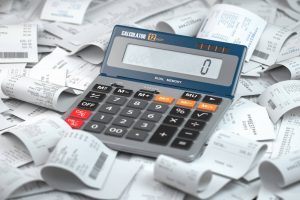
4. Have the supporting paperwork ready
Every entry in the cash receipts and payments report needs supporting paperwork — an invoice, a tax invoice or a receipt — to confirm where the money came from and where it went, and that it really was received and paid.
5. Analyse the numbers and follow them up
Take the shop’s income and expenditure figures, analyse them, look for the weak spots and adjust your strategy to control costs, raise revenue and plan the finances for what is ahead. And if you want further guidance, consult an accounting or tax specialist: they will keep your books correct and within the law, and give you the right financial advice.
Make managing the money in your shop straightforward with the POS software from Qashier. As well as being the cash register for a coffee shop a restaurant or a neighbourhood grocery, it comes with sales summary reporting so you can run the front of house end to end, and it handles everything else a retail business needs to manage. To find out more, reach us on LINE Official: @qashier.th or call 02-544-0267
References:
- Bookkeeping techniques for a grocery shop’s income and expense account. Retrieved 23 February 2024
- The basics of keeping an income and expense account. Retrieved 23 February 2024